
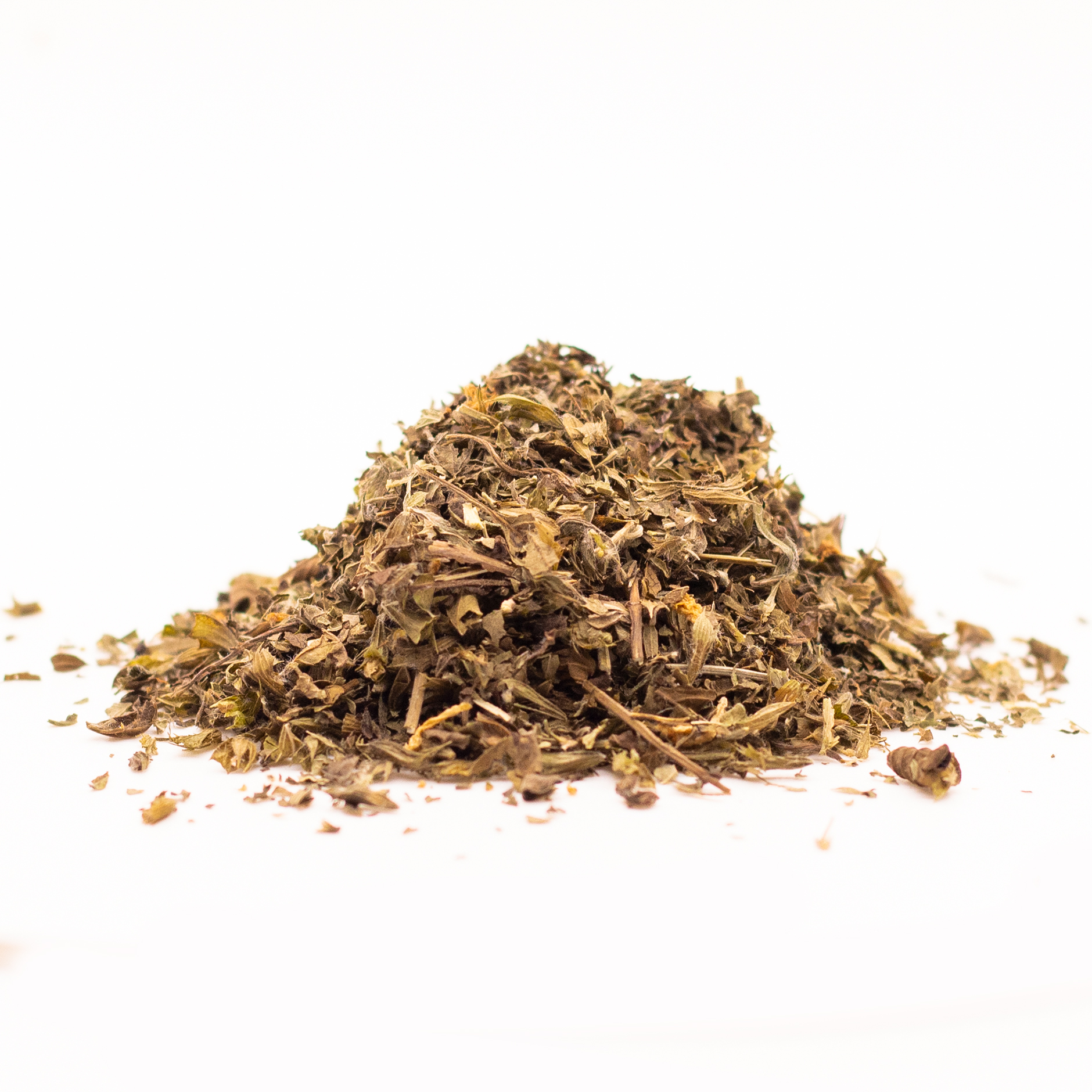
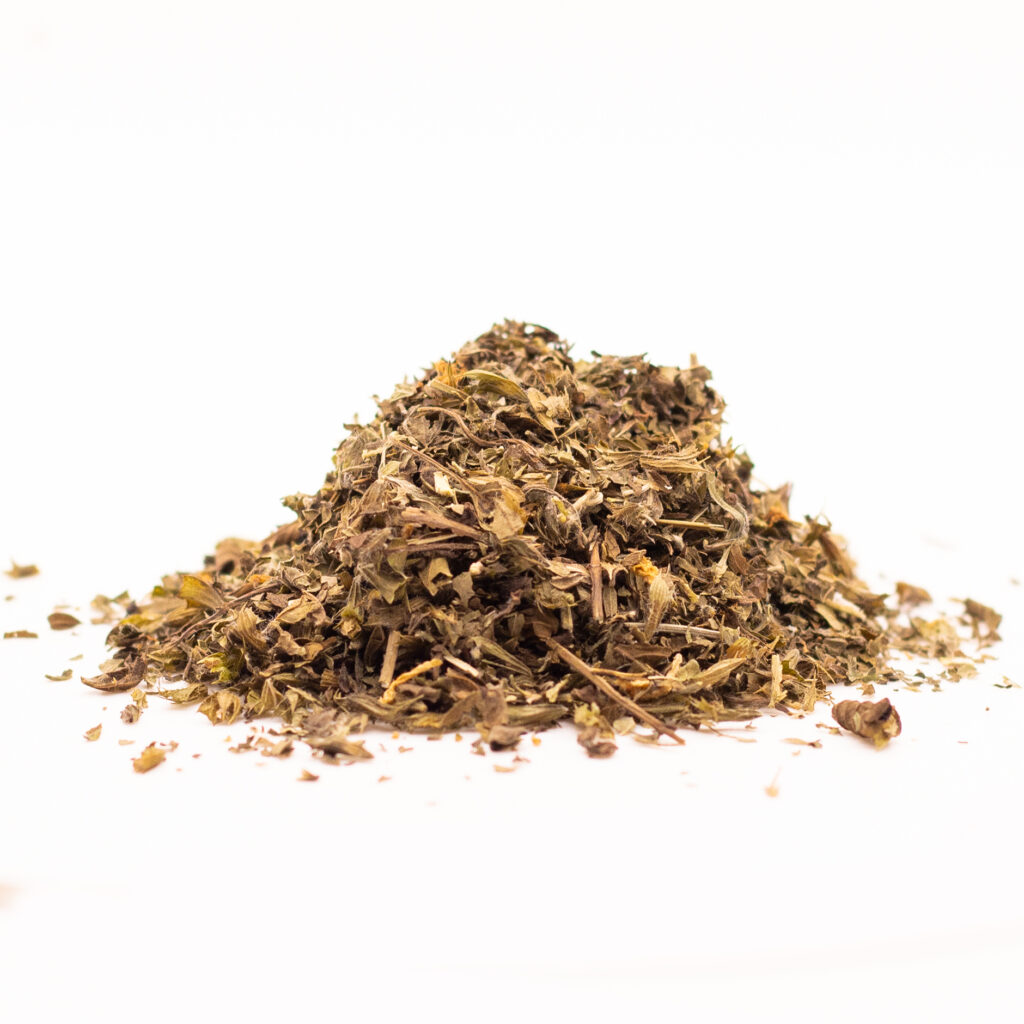
Lemon Balm Leaf
Lemon balm (Melissa officinalis) is a fragrant and delightful herb that has been used for centuries for its numerous medicinal and therapeutic benefits. This perennial herb is native to Europe and the Mediterranean, and it is now grown all around the world. The herb is part of the mint family and has a sweet, citrusy scent that is reminiscent of lemons, hence its name.
Lemon balm is most commonly used as a natural remedy for anxiety and stress. It has been found to have calming properties that help to reduce nervousness and promote relaxation. The herb contains natural compounds that work to boost the brain’s production of gamma-aminobutyric acid (GABA), a neurotransmitter that helps to regulate mood and reduce anxiety.
In addition to its anxiety-reducing properties, lemon balm has a host of other health benefits. It is a natural antiviral agent and has been used to treat cold sores and other viral infections. It has also been found to be effective at relieving digestive issues, such as bloating and gas, and can aid in the treatment of irritable bowel syndrome (IBS).
Lemon balm is a versatile herb that can be taken in many forms, including as a tea, tincture, or essential oil. It is generally considered safe for most people, but it is always important to talk to a healthcare professional before taking any new supplement or herbal remedy, especially if you have any underlying medical conditions or are taking any medications.
Lemon balm (Melissa officinalis) leaves are highly valued for their delightful citrusy flavor and aroma, making them a popular choice in culinary applications. Here are some culinary uses of lemon balm leaf:
Herbal Teas: Lemon balm leaves are commonly used to infuse herbal teas, either on their own or in combination with other herbs. The leaves impart a refreshing, lemony flavor and a pleasant aroma to the tea. They can be used fresh or dried for this purpose.
Infused Water and Beverages: Lemon balm leaves can be added to water to create a refreshing infused drink. Simply steep a few fresh leaves in cold water for a subtle lemony taste. They can also be used to enhance other beverages like lemonades, iced teas, or cocktails.
Culinary Herbs: Lemon balm leaves can be used as a culinary herb to add a citrusy note to various dishes. Finely chopped or torn leaves can be added to salads, fruit salads, and salad dressings, providing a bright and fresh flavor.
Culinary Garnish: Lemon balm leaves make an attractive and aromatic garnish. They can be used to decorate plates, soups, desserts, or cocktails, adding a touch of visual appeal and a pleasant scent.
Desserts and Baked Goods: Lemon balm leaves can be incorporated into desserts and baked goods for a citrusy twist. They can be used to infuse creams, custards, syrups, or ice creams. Lemon balm can also be used as a flavorful addition to cakes, cookies, and fruit-based desserts.
Herb Butters and Sauces: Lemon balm leaves can be finely chopped and blended into herb butters, adding a hint of lemon flavor. They can also be used in herb-based sauces or marinades, bringing a fresh and citrusy element to the dish.
Herbal Vinegars and Oils: Lemon balm leaves can be used to infuse vinegars or oils, creating flavorful bases for dressings, marinades, or dipping sauces. The infused vinegars or oils can be drizzled over salads, vegetables, or grilled dishes.
When using lemon balm in cooking, it’s best to add the leaves toward the end of the cooking process to preserve their delicate flavor and aroma. Additionally, it’s advisable to taste and adjust the amount of lemon balm according to your personal preference, as the intensity of the lemon flavor can vary.
Lemon balm (Melissa officinalis) leaves are renowned for their potential medicinal benefits and have been used in traditional herbal medicine for various purposes. While it’s important to consult with a healthcare professional before using lemon balm for medicinal purposes, here are some of the commonly cited benefits and uses associated with lemon balm leaf:
Calming and Stress Relief: Lemon balm is often used for its calming properties and is believed to help reduce anxiety, promote relaxation, and ease stress. It may help alleviate symptoms of nervousness and restlessness.
Sleep Aid: Lemon balm is valued for its potential to support healthy sleep patterns. It may help improve sleep quality, reduce insomnia, and promote a sense of calm before bedtime.
Digestive Support: Lemon balm has a long history of use for digestive issues. It is believed to help soothe an upset stomach, ease indigestion, reduce bloating, and relieve symptoms of gastrointestinal discomfort.
Antiviral and Immune Support: Lemon balm is known for its potential antiviral properties. It has been used to help manage certain viral infections, such as cold sores caused by the herpes simplex virus. Additionally, lemon balm may provide immune support, although further research is needed.
Cognitive Support: Lemon balm is believed to have a positive impact on cognitive function and memory. It may help improve focus, concentration, and mental clarity.
Skin Care: Lemon balm can be used topically to promote healthy skin. It is often included in creams, ointments, or balms for its potential antioxidant and anti-inflammatory properties, which may help soothe and protect the skin.
Cold and Flu Relief: Lemon balm is sometimes used to alleviate symptoms associated with the common cold and flu, such as congestion, cough, and fever. It may help soothe respiratory discomfort and support overall immune health.
It’s important to note that while lemon balm has a long history of traditional use and is generally considered safe, individual responses to herbs can vary. It’s advisable to consult with a healthcare professional or herbalist to determine the appropriate dosage, potential interactions, and suitability for specific health conditions before using lemon balm for medicinal purposes.
Lemon balm (Melissa officinalis) is associated with various magickal and metaphysical properties and has been used in spiritual practices and rituals. Here are some of the commonly attributed magickal and metaphysical properties and uses of lemon balm leaf:
Calming and Soothing: Lemon balm is believed to possess calming and soothing energies. It is often used to promote relaxation, ease anxiety, and alleviate stress. Lemon balm can be incorporated into rituals or spellwork aimed at creating a peaceful and serene environment.
Happiness and Positivity: Lemon balm is associated with promoting happiness, joy, and positive energies. It is believed to uplift the spirit and bring a sense of lightness. Lemon balm can be used in rituals or spellwork to attract positivity, enhance mood, or dispel negative emotions.
Love and Attraction: Lemon balm is sometimes used in love spells or rituals to attract love, enhance romantic relationships, or strengthen existing bonds. It is believed to promote affection, harmony, and emotional connection. Lemon balm can be used in charms, sachets, or love potions for these purposes.
Psychic and Intuitive Abilities: Lemon balm is associated with enhancing psychic abilities, intuition, and spiritual insight. It is believed to open channels of communication with higher realms and facilitate the development of psychic gifts. Lemon balm can be used in divination practices, meditation, or dreamwork to enhance spiritual awareness and intuition.
Protection and Purification: Lemon balm is often used for its protective properties. It is believed to ward off negative energies, evil spirits, and malevolent influences. Lemon balm can be included in purification rituals or used as an ingredient in protective amulets or charms.
Healing and Wellness: Lemon balm is associated with healing energies and promoting overall well-being. It is believed to have cleansing and rejuvenating properties, both physically and energetically. Lemon balm can be used in healing rituals or spellwork to aid in physical or emotional healing, and to restore balance and vitality.
Psychic Dreaming and Divination: Lemon balm is sometimes used to enhance dreamwork and psychic dreaming. It is believed to promote vivid and meaningful dreams, facilitate dream recall, and aid in receiving messages from the subconscious or the spiritual realm. Lemon balm can be used as an ingredient in dream pillows or as a tea before sleep for these purposes.
It’s important to note that these metaphysical properties and uses are based on folklore, spiritual beliefs, and personal practices. The effectiveness and interpretation of these properties may vary among individuals and different magical traditions. As with any spiritual practice, it’s important to approach lemon balm or any other herb with respect, mindfulness, and an understanding of your own intentions and beliefs.
Ingredients:
- 1 tablespoon dried lemon balm leaves
- 1 teaspoon dried chamomile flowers
- 1 teaspoon dried lavender flowers
- 2 cups water
- Honey or sweetener of choice (optional)
Instructions:
In a teapot or a heatproof container, combine the dried lemon balm leaves, chamomile flowers, and lavender flowers.
Bring 2 cups of water to a boil and pour it over the herb mixture. Cover the container and let it steep for about 5-10 minutes.
After steeping, strain the tea to remove the herbs, and pour it into teacups or mugs.
If desired, add honey or your preferred sweetener to taste, stirring until it dissolves.
Enjoy the soothing and fragrant lemon balm tea while it’s warm. Take a moment to relax and savor the flavors.
Note: The proportions of herbs can be adjusted according to personal preference. Feel free to experiment with different herbs or adjust the strength of each herb to suit your taste. You can also add a slice of lemon or a sprig of fresh mint for an extra touch of flavor and visual appeal.
It’s important to keep in mind that herbal teas can have varying effects on individuals, and it’s advisable to consult with a healthcare professional or herbalist if you have specific health conditions, allergies, or are taking medications that may interact with the herbs.
- 100% Organic
| Size | 1oz, 4oz |
|---|
Only logged in customers who have purchased this product may leave a review.
Reviews
There are no reviews yet.